Arcade
Top 50 Arcade Games of All Time
Before consoles ruled, the arcade was where gaming pushed its limits. These are the best arcade games of all time, ranked by a blend of GamingList community and critic scores — the coin-op classics that defined the medium.
This is an Arcade exclusives list — it features games that debuted on Arcade, so cross-platform titles and later ports to other systems aren't included. That's why some multiplatform favourites you played here won't appear.
- 1
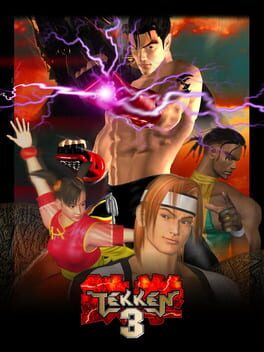
Tekken 3
1997 · Fighting, Arcade
Tekken 3 is the third installment in the Tekken series. It maintains the same core fighting system as its predecessors but brings many improvements, such as significantly more detailed graphics and animations, fifteen new characters added to the game's roster, more modern music and faster gameplay.
8.4 - 2

Sonic the Hedgehog
1991 · Platform
Sonic the Hedgehog is a 2D side-scrolling platformer developed by Sonic Team and published by Sega for the Genesis/Mega Drive. Players control Sonic the Hedgehog, who can run at near supersonic speeds and sets out on a quest to defeat Dr. Robotnik, a scientist who has imprisoned animals in robots and seeks the powerful Chaos Emeralds.
8.2 - 3
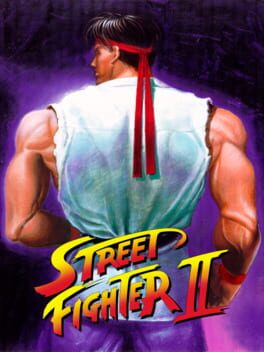
Street Fighter II
1991 · Fighting, Arcade
A sequel to Street Fighter, Street Fighter II improved upon the many concepts introduced in the first game, including the use of command-based special moves and a six-button configuration, while offering players a selection of multiple playable characters, each with their own unique fighting style and special moves. Street Fighter II is credited for starting the fighting game boom during the 1990s. Its success led to the production of several updated versions, each offering additional features and characters over previous versions, as well as many home versions. Some of the home versions of the Street Fighter II games have sold millions of copies, with the SNES port of the first Street Fighter II being Capcom's best-selling consumer game of all-time as of 2008. Street Fighter II follows several of the conventions and rules already established by its original 1987 predecessor. The player engages opponents in one-on-one close quarter combat in a series of best-two-out-of-three matches. The objective of each round is to deplete the opponent's vitality before the timer runs out. If both opponents knock each other out at the same time or the timer runs out with both fighters having an equal amount of vitality left, a "double KO" or "draw game" is declared and additional rounds will be played until sudden death. In the first Street Fighter II, a match could last up to ten rounds if there was no clear winner; this was reduced to four rounds in Champion Edition and onward. If there is no clear winner by the end of the final round, then either the computer-controlled opponent will win by default in a single-player match or both fighters will lose in a 2-player match. After every third match in the single player mode, the player will participate in a "bonus game" for additional points. The bonus games includes (in order) a car-breaking event; a barrel breaking bonus game where the barrels are dropped off from a conveyor belt above the player; and a drum-breaking bonus game where drums are flammable and piled over each other. The bonus games were removed from the arcade version of Super Street Fighter II Turbo. Like in the original, the game's controls uses a configuration of an eight-directional joystick and six attack buttons. The player uses the joystick to jump, crouch and move the character towards or away from the opponent, as well as to guard the character from an opponent's attacks. There are three punch buttons and three kick buttons of differing strength and speed (Light, Medium and Heavy). The player can perform a variety of basic moves in any position, including grabbing/throwing attacks, which were not featured in the original Street Fighter. Like in the original, the player can perform special moves by inputting a combination of directional and button-based commands. Street Fighter II differs from the original due to the selection of multiple playable characters, each with their distinct fighting styles and special moves. Additionally, the player can also "cancel" during animation by performing another move, allowing for a combination of several basic and special moves. Both of these features would be expanded upon in subsequent installments.
8.3 - 4
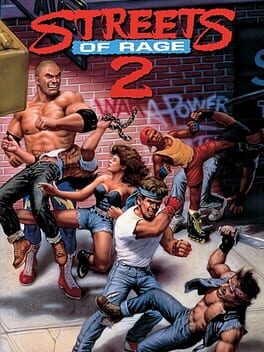
Streets of Rage 2
1992 · Hack and slash/Beat 'em up, Arcade
Mr. X and the Syndicate are back, this time taking Adam hostage! Take on the role of Axel, Blaze, Skate, or Max to rescue Adam, and destroy Mr. X once and for all.
8.4 - 5
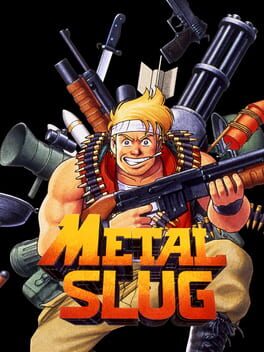
Metal Slug
1996 · Shooter, Platform, Arcade
Metal Slug is a 1996 run-and-gun arcade video game originally developed by Nazca Corporation and released by SNK for the Neo Geo MVS. It is the first installment in the eponymous series. Set in 2028, players assume the role of Peregrine Falcon Strike Force soldiers Marco Rossi and Tarma Roving in a fight against the Rebel Army led by Donald Morden and overthrow his coup d'état to prevent a New World Order.
8.2 - 6
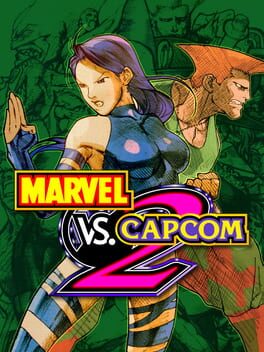
Marvel vs. Capcom 2: New Age of Heroes
2000 · Fighting, Arcade
Marvel vs. Capcom 2: New Age of Heroes is the fourth game in the Marvel vs. Capcom series of fighting games. The player's controls were simplified to make the gameplay more accessible to the wider audience of casual players and the button configuration was trimmed down to 4 main buttons and 2 assist buttons. The game also features a different air-combo system and 3 on 3 tag, compared to the 2 on 2 tag from previous games in the series.
8.5 - 7
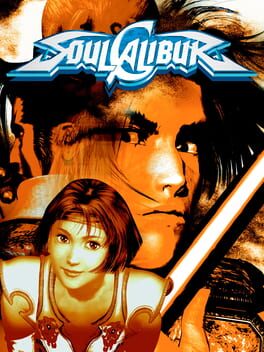
SoulCalibur
1998 · Fighting, Arcade
SoulCalibur is a weapon-based 3D fighting game developed by Project Soul and produced by Namco. It is the second game in the Soul series, preceded by Soul Edge (1996). Originally released in arcades in 1998, it ran on the Namco System 12 hardware. In 1999 it was ported to the Dreamcast with improved graphics and new features. The North American version was released in September 1999 as a launch title for the Dreamcast and was part of the successful launch of the new console. It became available as a downloadable title on Xbox 360's Xbox Live Marketplace in 2008. The title brought many innovations to the fighting game genre that include a heavy emphasis on weapons and a unique eight-way movement system. Soulcalibur is widely regarded as one of the best Dreamcast titles and is one of the most critically acclaimed fighting games of all time.
8.4 - 8
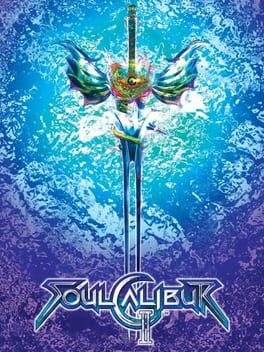
SoulCalibur II
2002 · Fighting
SoulCalibur II is the third installment in the Soul series and continues the tradition of his predecessors with improved graphics, new characters and new levels. A majority of the action takes place in Weapon Master mode where you have to choose a character and travel a set map to fight the many other warriors through different levels and challenges. Console ports were released, including guest characters from other franchises. The Arcade version has a unique mode called "Conquest Mode". This mode, which uses a name and password system to save data, allows the player to select one army among four. The player then fights against enemies in a series of eight 1-round battles, win or lose (the first seven are based on the player's rank, and the eighth is chosen by the player – this can only be interrupted by a Versus challenger.) After each round, the player earns EXP and can be promoted, and the game also rates the player in four categories: Soul, Power, Wisdom and Skill. The game also keeps track of which moves the player knows and uses most often. After the eight battles, territory control is updated and the player has the option to fight a bonus round against their character played by the AI.
8.2 - 9
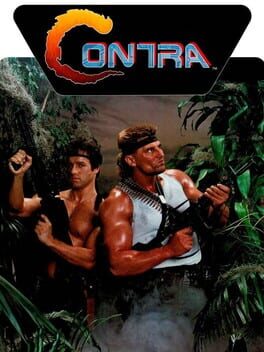
Contra
1987 · Shooter, Platform, Arcade
Contra (also known as Gryzor in Oceania and Europe), is a 1987 run and gun action game developed and published by Konami originally released as a coin-operated arcade game on February 20, 1987. The game had multiple ports, including for various computer formats. Several Contra sequels were produced following the original game.
8.0 - 10
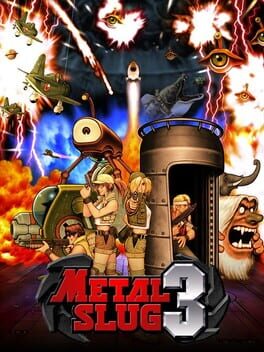
Metal Slug 3
2000 · Shooter, Platform, Arcade
“METAL SLUG 3”, the masterpiece in SNK’s emblematic 2D run & gun action shooting game series, still continues to fascinate millions of fans worldwide to this day for its intricate dot-pixel graphics, and simple and intuitive game controls!
8.1 - 11
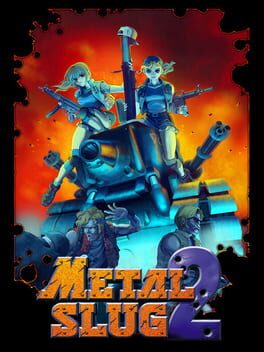
Metal Slug 2
1998 · Shooter, Platform, Adventure, Arcade
“METAL SLUG 2”, the 2nd entry in SNK’s emblematic 2D run & gun action shooting game returns to the battlefield on the Steam gaming platform!
8.1 - 12
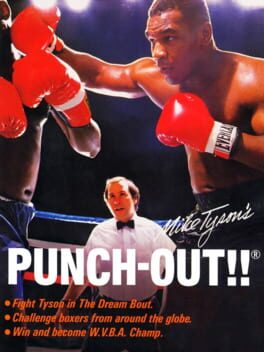
Mike Tyson's Punch-Out!!
1987 · Fighting, Sport
Punch-Out!!, originally released in North America as Mike Tyson's Punch-Out!!, is a boxing sports fighting video game for the Nintendo Entertainment System (NES) developed and published by Nintendo in 1987. Part of the Punch-Out!! series, it is a port of both the Punch-Out!! and Super Punch-Out!! arcade games (particularly the latter) with some variations. Punch-Out!! features a boxer known as Little Mac working his way up the professional boxing circuits, facing a series of colorful, fictional boxers, leading to a final fight with real-life boxer, the then-World Heavyweight Champion, which is Mike Tyson in the original version and Mr. Dream in the later version. Little Mac has a limited repertoire compared to most of his opponents. His punches are limited to left and right jabs, left and right body blows, and a powerful uppercut. The uppercut can only be used once the player earns a star, which is typically accomplished by counter-punching the opponent directly before or after certain attacks are launched. The player can acquire up to three stars. To perform the uppercut, the player needs to press the start button once a star is earned. To defend, Mac can dodge left or right, duck, and block punches by putting up his guard. Little Mac also has a heart meter, which decreases by three upon being struck by an opponent and one upon blocking an attack or an opponent blocking/dodging the player's attack. When the heart meter decreases to zero, Little Mac temporarily turns pink and appears exhausted, leaving the player unable to attack but still able to dodge or block. At this point, Mac can regain some hearts (and his normal color palette) only by avoiding the opponent's punches. He immediately loses all of his hearts upon being knocked down, but can regain some by getting up. A bout can end by knockout (KO), if a fighter is unable to get up within ten seconds after being knocked down; by technical knockout (TKO), if a fighter is knocked down three times in one round; or by decision, if the bout lasts three full rounds without a clear winner. In order to win by decision, the player must accumulate higher than a certain point total by punching the opponent and/or knocking him down (different boxers require different point totals to win by decision). However, some bouts cannot be won in this manner and will automatically result in a loss for the player if the opponent is not knocked out. Mac can only get up three times during any one bout; if he is knocked down a fourth time, he will be unable to rise and thus lose by knockout. When Mac loses his first bout to a ranked opponent, he will have a chance to fight a rematch. However, if he loses a Title Bout, he will fall in the rankings - one place for the Minor or Major Circuits, two places for the World Circuit. Losing a rematch causes him to fall one place (unless he is already at the bottom of his circuit), forcing him to fight his way back up. A third loss (not necessarily a consecutive one) ends the game. The exception is the final fight against Mike Tyson/Mr. Dream; a loss to them automatically results in a game over.
8.3 - 13
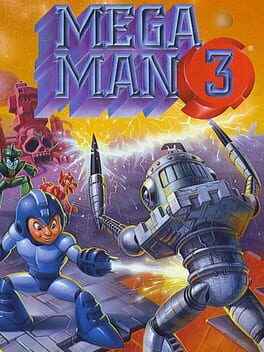
Mega Man 3
1990 · Shooter, Platform
It's robot rebellion, and nobody's safe! Least of all, Mega Man! This time the superpowerful cyborg takes on a horde of metal maniacs who've had it with being obedient! And they use every android-annihilator ever invented to make you believe it! Mega Man goes berserk, blasting through a galaxy of mining stations in search of energy crystals. But it takes more than guts to battle the phenomenal robot masters who control these worlds. It's a wrenching job, the worst - and the best - that Mega Man's faced so far!
8.0 - 14
Pac-Man
1980 · Arcade
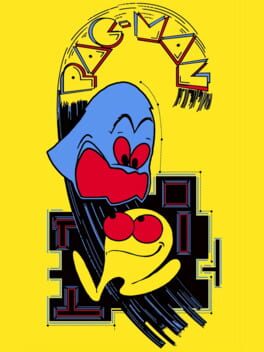
Pac-Man is a 1980 maze action video game developed and released by Namco for arcades. It is considered one of the classics of the medium, virtually synonymous with video games, and an icon of 1980s popular culture. Players control Pac-Man, who must eat all the dots inside an enclosed maze while avoiding four colored ghosts. Eating large flashing dots called Power Pellets causes the ghosts to temporarily turn blue, allowing Pac-Man to eat them for bonus points.
7.9 - 15
Marvel vs. Capcom: Clash of Super Heroes
1998 · Fighting, Arcade
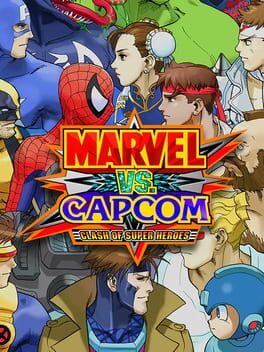
Marvel vs. Capcom: Clash of Super Heroes is the fifth Marvel Comics-licensed fighting game by Capcom and the third game in the Marvel vs. Capcom series. In contrast to X-Men vs. Street Fighter and Marvel Super Heroes vs. Street Fighter, the game features characters from numerous Capcom franchises such as Mega Man and Strider, rather than just Street Fighter characters. The game takes place within the Marvel comic continuity, as Professor Charles Xavier calls out for heroes to stop him before he merges with the consciousness of Magneto and becomes the being known as Onslaught, the final boss.
8.2 - 16
Street Fighter III: 3rd Strike
1999 · Fighting, Arcade
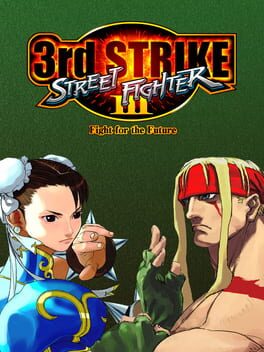
Street Fighter III: 3rd Strike is the second follow-up to Street Fighter III. The game increased the character roster by adding five new characters and also added further refinements to the previous game's play mechanics and rules. All the returning characters from the previous Street Fighter III games were given new stages, endings, and voice actors for certain characters, continuing the overall storyline from where the first two games left off.
8.2 - 17
Tekken Tag Tournament
1999 · Fighting
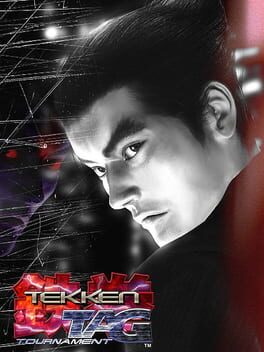
Tekken Tag Tournament is an update of Tekken 3 and is the fourth installment in the popular Tekken fighting game series. It is not canonical to the Tekken storyline however.
8.1 - 18
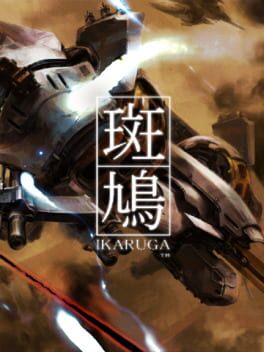
Ikaruga
2001 · Shooter, Puzzle, Indie, Arcade
In this vertical scrolling spaceship shooter, you control a ship that can change its polarity at will. As blue/white, the ship can easily destroy red/black enemies, and vice versa. Bullets of your polarity can be collected to fuel your energy gauge, but those opposite will kill you. Destroying an enemy ship causes them to fire revenge bullets which can be absorbed and fired back by the player. Different difficulties exist to change exactly how you interact with polarized points, or how they appear. It is the spiritual successor to Radiant Silvergun, featuring similar level and boss design, as well as it's buddhism inspired themes and aesthetics. Both are directed by Hiroshi Iuchi, who also composed Ikaruga's soundtrack.
8.8 - 19
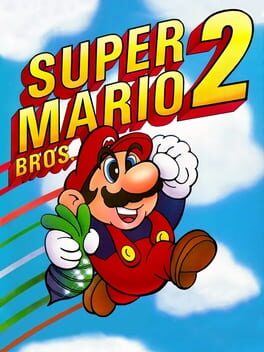
Super Mario Bros. 2
1988 · Platform, Adventure
Super Mario Bros. 2, 2D platformer and sequel to Super Mario Bros. (1985), features 4 selectable characters (Mario, Luigi, Princess Peach, Toad) as they navigate the dream world of Subcon to defeat the evil toad king Wart. Super Mario Bros. 2 features different ways interacting with enemies and the world, including an object carrying mechanic and more intricate level designs.
7.7 - 20
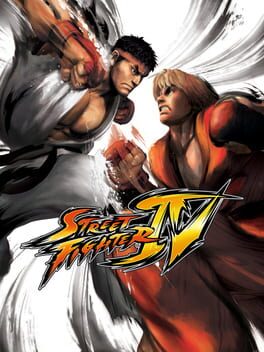
Street Fighter IV
2008 · Fighting
Street Fighter IV brings the legendary fighting series back to its roots by taking the beloved fighting moves and techniques of the original Street Fighter II, and infusing them with Capcom’s latest advancements in next generation technology to create a truly extraordinary experience that will re-introduce the world to the time-honored art of virtual martial arts. Newcomers: - Abel - C.Viper - Rufus - El Fuerte - Gouken
7.9 - 21
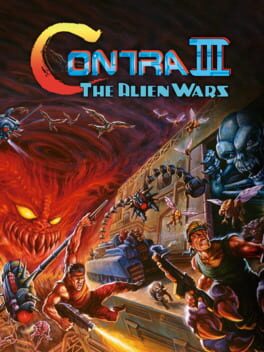
Contra III: The Alien Wars
1992 · Shooter, Adventure
This game is action from beginning to end, do not think that you will have a moment of peace, even because Aliens are at war with planet earth, and resting will be your least concern.
8.0 - 22
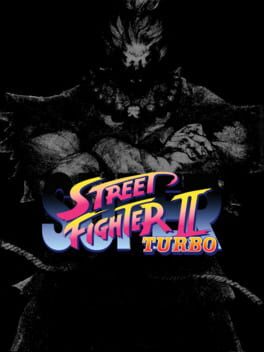
Super Street Fighter II Turbo
1994 · Fighting
Super Street Fighter II Turbo, released in Japan as Super Street Fighter II X: Grand Master Challenge, is a competitive fighting game released for the arcades by Capcom in 1994. It is the fifth installment in the Street Fighter II sub-series of Street Fighter games, following Super Street Fighter II: The New Challengers. Like its predecessor, it ran on the CP System II hardware. Super Turbo introduced several new gameplay mechanics not present in previous versions of Street Fighter II, including the addition of Super Combos and air combos. It also introduced the secret character Akuma, who would go on to become a recurring character in later Street Fighter installments and other Capcom fighting games. Super Turbo was originally ported to the 3DO Interactive Multiplayer, followed by the PlayStation and Sega Saturn (under the title of Super Street Fighter II Turbo: The Ultimate Championship) as part of the Street Fighter Collection, and for the Dreamcast in Japan under the title of Super Street Fighter II X for Matching Service. A remake of the game was released for the PlayStation 3 and Xbox 360 titled Super Street Fighter II Turbo HD Remix.
8.3 - 23
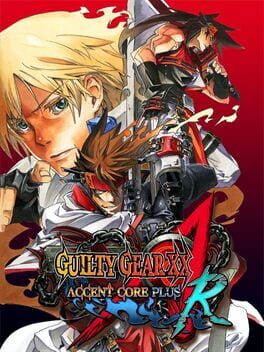
Guilty Gear XX Accent Core Plus R
2012 · Fighting, Arcade
Ultimate battle action, and the epitome of the GUILTY GEAR XX series now on Steam! Bonus soundtracks included!
9.0 - 24
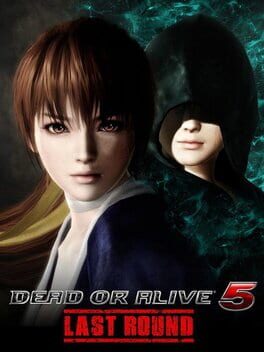
Dead or Alive 5 Last Round
2015 · Fighting
Dead or Alive 5 Last Round is a fighting game developed. It is the third updated version of the 2012 game Dead or Alive 5, following the 2013 games Dead or Alive 5 Plus and Dead or Alive 5 Ultimate. Dead or Alive 5 Last Round features all the content from Dead or Alive 5 Ultimate, adding new costumes and customizable hairstyles, as well as two new characters and two new stages. The PlayStation 4 and Xbox One versions received upgraded graphics, running at 1080p resolution and 60 frames per second. These two version also use the new game engine called Soft Engine and designed to better depict "softness" of characters' bodies.
8.5 - 25
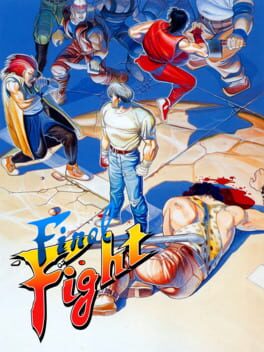
Final Fight
1989 · Hack and slash/Beat 'em up, Arcade
Final Fight is a side-scrolling beat-'em-up produced by Capcom. Final Fight can be played by up to two players simultaneously. Before the game begins, the player chooses between the three main characters: Haggar, Cody, and Guy. Each has his own fighting style and attributes. Health gauges are displayed for both player and enemy characters. The controls for Final Fight consist of an eight-way joystick and two buttons for attacking and jumping respectively. Pressing the attack button repeatedly when attacking an enemy or multiple enemies will cause the player character to perform a combo. The final blow of the combo can be changed to a throw if the player moves the joystick in the opposite direction just before landing it. The player can also perform a jump attack. Pressing the attack and jump buttons simultaneously allows the player to perform a special attack that strikes all surrounding enemies, but will drain a small portion of the player's health. Enemies can be grabbed simply by walking into one of them. When an enemy is grabbed, the player can perform a grab attack by pressing the attack button or perform a throw by tilting the joystick left or right. A thrown enemy can be tossed at another for additional damage. Items such as weapons, health recovery items, and items awarding extra points can be picked up by standing over one and pressing the attack button. Weapons have limited uses and will disappear if the player is disarmed by an enemy too much or when the player moves to a new area. Final Fight consists of six stages or "rounds", as well as two bonus rounds. Each round takes place in a different section of Metro City such as the Slums and the Subway, with most rounds featuring more than one level. At the end of each round the player will face a boss character unique to that round.
7.9 - 26
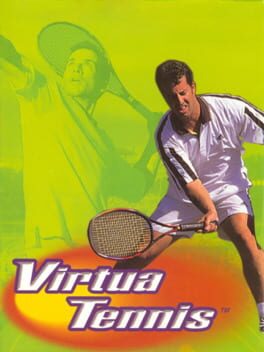
Virtua Tennis
1999 · Simulator, Sport
Virtua Tennis is a tennis game in which it is possible to control one of eight licensed players and uncover the secret stars. As well as the traditional arcade mode, you can play in the exhibition mode, with four-player action via doubles play. Once you've mastered those modes, take on the world in the world circuit mode, with unique training games, different challenges and shops to buy clothing, equipment, stages and playing partners.
8.6 - 27
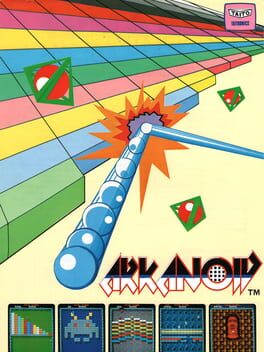
Arkanoid
1986 · Arcade
Arkanoid is an arcade game developed by Taito in 1986. It expanded upon Atari's Breakout games of the 1970s by adding power-ups, different types of bricks, and a variety of level layouts. The title refers to a doomed "mothership" from which the player's ship, the Vaus, escapes.
8.0 - 28
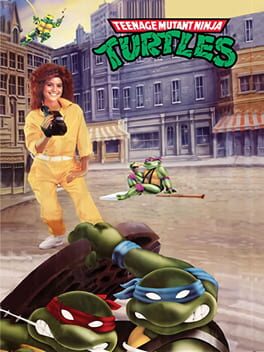
Teenage Mutant Ninja Turtles
1989 · Fighting, Hack and slash/Beat 'em up, Adventure, Arcade
NOTE: This is the original 4-Player Arcade release, not the NES Title. The player chooses from one of the four Ninja Turtles: Leonardo, Michelangelo, Donatello, and Raphael. After Shredder kidnaps the Turtles' friend April O'Neil and their mentor Splinter, they must give chase, save their comrades, and defeat the evil Shredder. The player chooses from one of the four Ninja Turtles: Leonardo, Michelangelo, Donatello, and Raphael. Depending on the version of the game, the characters are either, chosen at the start of the game or assigned by control panel. After Shredder kidnaps the Turtles' friend April O'Neil and their mentor Splinter, they must give chase, save their comrades, and defeat the evil Shredder. Up to four players (two in some versions) can take control of any of the Turtles. Donatello has slower attacks but a longer range, Michelangelo and Raphael have faster attacks but a shorter range, and Leonardo is a well-rounded Turtle with average range and speed. The eight-way joystick controls the movements of the Turtle, the jump button makes them jump and the attack button makes them hit in front of them using their weapon. In addition to this, some combinations are possible. The Turtles can throw Foot soldiers overhead, and by pressing the jump and attack buttons, a special attack is performed. Raphael rolls along the ground and finishes with a kick, while the other Turtles do a sweeping jump attack with their weapons. Turtles can also spring off the wall in certain areas. Enemies can be defeated more quickly by slamming them into walls or solid objects. Many objects such as traffic cones, parking meters, fire hydrants and exploding oil drums can be hit or damaged with attacks in order to help defeat nearby enemies. In the attract mode, the game showed the first part of the cartoon opening, along with a portion of the Teenage Mutant Ninja Turtles theme song. Most of the enemies the Turtles face are the Foot Soldiers, all color-coded to indicate their attack patterns and weapon of choices. Some enemies, such as the standard purple-clad Foot Soldiers and Roadkill Rodney robots, have the ability to restrain the Turtles' mobility and drain their health, leaving the player open to attack for other enemies. The bosses in the game include Rocksteady and Bebop (individually at first in that order, and later the two of them together), Baxter Stockman, Granitor, General Traag, Krang, and Shredder himself.
8.0 - 29
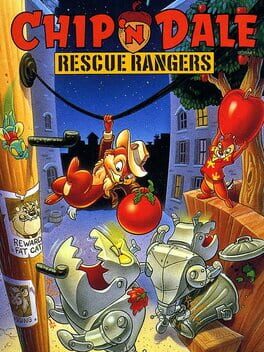
Disney's Chip 'n Dale Rescue Rangers
1990 · Platform, Adventure
Chip 'n Dale Rescue Rangers is a platformer video game developed and published by Capcom based on the Disney animated series of the same name. Originally released for the Nintendo Entertainment System in Japan and North America in 1990, it came to Europe the next year, and was ported to the Nintendo PlayChoice-10 arcade system. It sold approximately 1.2 million copies worldwide.
7.9 - 30
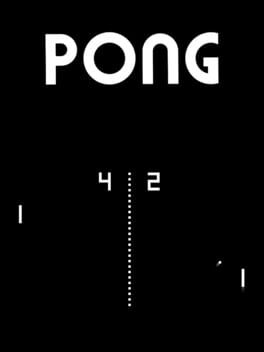
Pong
1972 · Simulator, Sport, Arcade
Pong is a table tennis-themed twitch arcade video game with simple two-dimensional graphics. It was the first sports arcade video game and one of the earliest arcade video games in history, helping to establish the video game industry along with the Magnavox Odyssey. Soon after its release, several companies began producing games that closely mimicked its gameplay.
7.9 - 31
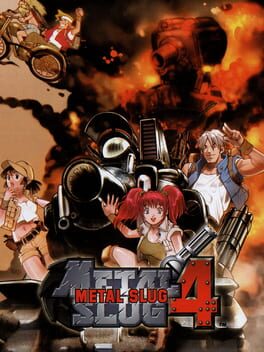
Metal Slug 4
2002 · Shooter, Adventure, Arcade
One year after the events of Metal Slug 3, the world is trembling under the new threat of a mysterious but deadly cyber virus that threatens to attack and destroy any nation's military computer system. With Tarma and Eri unable to help due to their own assignments in the matter, Marco and Fio are called in to investigate the situation and are joined by two newcomers, Nadia and Trevor. In their investigation, the group discovers that a terrorist organization known as Amadeus is behind the nefarious plot and that they head into battle against Amadeus' forces, hoping to destroy the cyber virus before it gets the chance to wipe out the entire world's military computer system
8.0 - 32
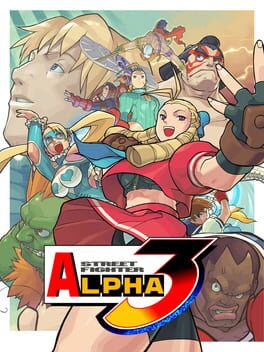
Street Fighter Alpha 3
1998 · Fighting, Arcade
Street Fighter Alpha 3 is the third game in the Street Fighter Alpha series. It features a complete gameplay overhaul with the addition of three selectable fighting styles, new stages, over seven new and returning characters and an exclusive soundtrack. The game's illustrations, select screens, soundtrack and sound effects all have a similar style to the Final Fight series, unlike the previous games.
8.1 - 33
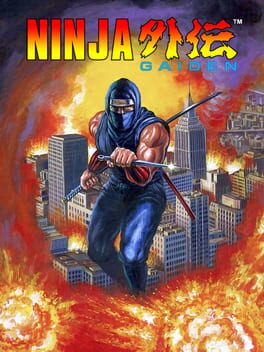
Ninja Gaiden
1988 · Hack and slash/Beat 'em up, Arcade
Ninja Action! The stage is set for conspiracy, mystery and evil in America. Come with Ninja Ryu as he takes you on his fateful journey. Tecmo's unique cinema display system develops the story stage by stage. You piece together the puzzle, while watching the movie-like graphics. Decide what action to take. Use the secret sword and items collected during the action scenes to fight your way to the goal!
7.9 - 34
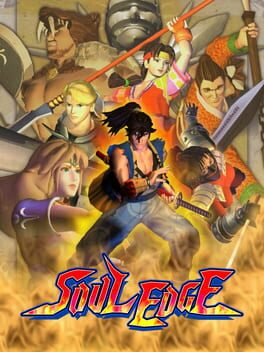
Soul Edge
1996 · Fighting, Hack and slash/Beat 'em up, Arcade
Soul Edge is a 3D arcade fighting game and the first in the Soul series, it is one of the first 3D fighting game in history that place a particular emphasis on the story of the fighters. Each character have their own weapon, allowing for a wide range of play styles. The slower, longer ranged characters try to deliver their heavy blows from a distance whereas the quicker, faster characters try to get in as close as possible and deliver quick-hitting attacks.
8.1 - 35
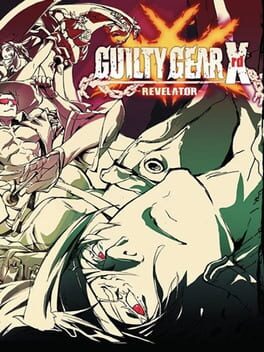
Guilty Gear Xrd: Revelator
2015 · Fighting, Arcade
Guilty Gear Xrd: Revelator is a Japanese fighting game and the updated version of Guilty Gear Xrd: Sign. The updated version adds new characters Jack-O, Johnny, and Jam Kuradoberi, as well as updated mechanics, balancing, systems, M.O.M. Mode, and more.
8.8 - 36
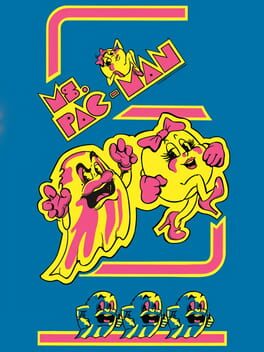
Ms. Pac-Man
1982 · Arcade
In 1982, a sequel to the incredibly popular Pac-Man was introduced in the form of his girlfriend, Ms. Pac-Man. This sequel continued on the "eat the dots/avoid the ghosts" gameplay of the original game, but added new features to keep the title fresh. Like her boyfriend, Ms. Pac-Man attempts to clear four various and challenging mazes filled with dots and ever-moving bouncing fruit while avoiding Inky, Blinky, Pinky and Sue, each with their own personalities and tactics. One touch from any of these ghosts means a loss of life for Ms. Pac-Man. Ms. Pac-Man can turn the tables on her pursuers by eating one of the four Energizers located within the maze. During this time, the ghosts turn blue, and Ms. Pac-Man can eat them for bonus points. The Energizer power only lasts for a limited amount of time, as the ghost's eyes float back to their center box, and regenerate to chase after Ms. Pac-Man again. Survive a few rounds of gameplay, and the player will be treated to humorous intermissions showing the growing romantic relationship between Pac-Man and Ms. Pac-Man, leading all the way up to the arrival of "Junior".
8.0 - 37
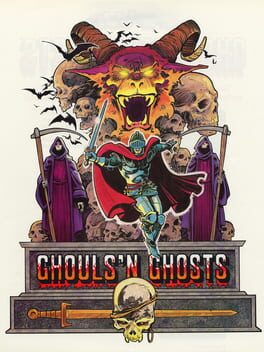
Ghouls 'n Ghosts
1988 · Platform, Arcade
The gameplay for Ghouls 'n Ghosts is similar to that of Ghosts 'n Goblins. The player controls the knight Arthur, who must advance through a series of eerie levels and defeat a number of undead and demonic creatures in his quest to restore the souls stolen by Lucifer (Loki in the English-language Mega Drive and Sega Master System versions), including the soul of his lover, Princess Prin Prin. Along the way, Arthur can pick up a variety of weapons and armor to help him in his quest. While the core gameplay remains the same as its predecessor, the game now allows Arthur to fire directly upward and directly downward while in mid air. By jumping in certain spots, players can cause a treasure chest to erupt from the ground. By firing his weapon at the chest, players may uncover new weapons, gold armor or an evil magician that changes Arthur into an elderly man or a helpless duck. The gold armor allows players to charge up the weapon to release a powerful magical attack. Each weapon has its own special attack. There are five levels and Lucifer's chamber at the end, considered a sixth level in itself. To defeat the game, Arthur must complete level 1 to 5 twice. Upon completing level's 1 to 5 the first time, Arthur is taken back to level 1 again but this time a special weapon appears during the game. To enter Lucifer's chamber the player must have this special weapon equipped and defeat the penultimate boss.
8.1 - 38
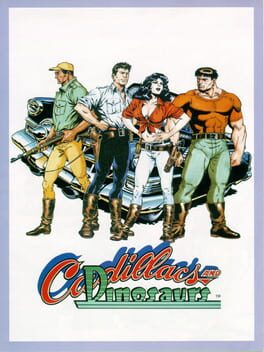
Cadillacs and Dinosaurs
1993 · Platform, Hack and slash/Beat 'em up, Arcade
Cadillacs and Dinosaurs is a side-scrolling, beat 'em up arcade game based on the comic book series Xenozoic Tales. In the game, the player has access to several attacks. Each character has two special moves including one that depletes a character's health upon contact with an enemy and when two or more players play together, they can trigger a team-attack. Players can also find and use various firearms, throwing weapons such as rocks and explosives, and melee weapons such as clubs.
8.1 - 39
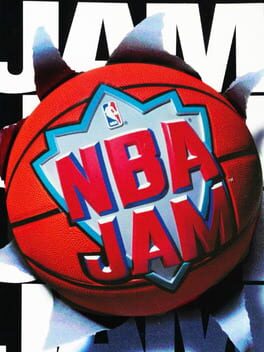
NBA Jam
1993 · Sport
NBA Jam is a basketball arcade game published and developed by Midway in 1993. It is the first entry in the NBA Jam series. The main designer and programmer for this game was Mark Turmell. Midway had previously released such sports games as Arch Rivals in 1989, High Impact in 1990, and Super High Impact in 1991. The gameplay of NBA Jam is based on Arch Rivals, another 2-on-2 basketball video game. However, it was the release of NBA Jam that brought mainstream success to the genre. The game became exceptionally popular, and generated a significant amount of money for arcades after its release, creating revenue of $1 billion in quarters. In early 1994, the Amusement & Music Operators Association reported that NBA Jam had become the highest-earning arcade game of all time. The release of NBA Jam gave rise to a new genre of sports games which were based around fast, action-packed gameplay and exaggerated realism, a formula which Midway would also later apply to the sports of football (NFL Blitz), and hockey (2 on 2 Open Ice Challenge).
8.0 - 40
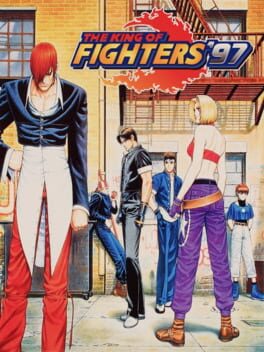
The King of Fighters '97
1997 · Fighting, Arcade
The King of Fighters '97 is a 1997 fighting game produced by SNK for the Neo Geo arcade and home console. It is the fourth game in The King of Fighters series. It was ported to the Neo-Geo CD, as well as the PlayStation and the Sega Saturn in Japan only.
8.1 - 41
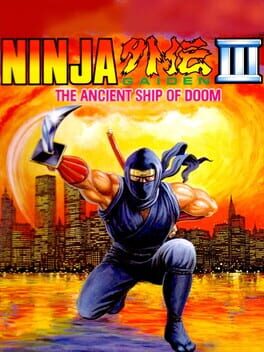
Ninja Gaiden III: The Ancient Ship of Doom
1991 · Platform, Hack and slash/Beat 'em up, Adventure, Arcade
Thrilling new cinema screen! Follow the story of Ryu's epic adventure through Tecmo's movie-like Cinema Screen Animation. As you complete each level, a new part of the story unfolds. Exciting new powers and weapons! Over the years Ninja Ryu's fighting skills have improved to include fantastic new powers and weapons. Action-packed Ninja adventure! Can you get Ryu through his most challenging adventure as he battles the hideous ancient forces of darkness to save mankind? The Ultimate Ninja Challenge!
8.4 - 42
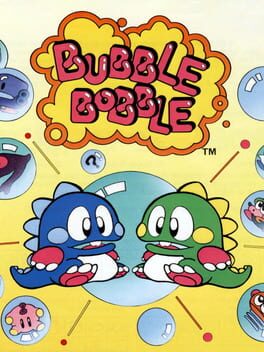
Bubble Bobble
1986 · Platform, Puzzle, Arcade
In the game, each player controls one of the two Bubble Dragons, Bub and Bob. The player can move along platforms, as well as jump to those above and to the side, similar to most platform games. The player can also blow bubbles. These can trap enemies, who are defeated if the bubble is then burst by the player's spiny back. Bubbles that contain enemies can be popped at the same time resulting in different foods being projected around the level. Each enemy trapped in a bubble equates to a different food. Food is consumed and transferred to points (an increasing scale of 1000 points is awarded for each enemy burst in tandem with another meaning: one enemy burst equals one food item worth 1000 points, two enemies burst equals two food items worth 1000 and 2000 points, three enemies burst equals three food items worth 1000, 2000 and 4000 points, and so on), which results in earning lives. These same bubbles also float for a time before bursting, and can be jumped on, allowing access to otherwise inaccessible areas. Players progress to the next level once all enemies on the current level are defeated. Enemies turn "angry" — becoming pink-colored and moving faster — if they are the last enemy remaining, escape from a bubble after being left too long or a certain amount of time has been spent on the current level. A monster will also become angry if either player collects a skull (the only negative item in the game), and the monster is hit by the resulting comet crossing the screen (however, this is a rare occurrence). After a further time limit expires, an additional invincible enemy appears for each player, actively chasing them using only vertical and horizontal movements. These do not need to be defeated to complete the level, and disappear once a player's life is lost. Contact with enemies and their projectiles (rocks, lasers, fireballs, etc.) results in death.
7.8 - 43
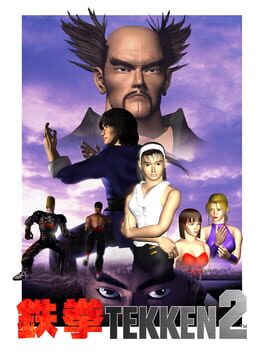
Tekken 2
1995 · Fighting
Tekken 2 is the second game in the Tekken series, it made various improvements over its predecessor in terms of graphics and features. All the characters from Tekken returned and eight new characters were added to the character roster along with new moves and combos.
7.7 - 44
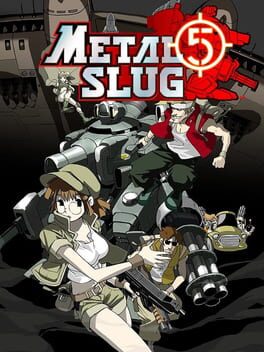
Metal Slug 5
2003 · Shooter, Platform, Adventure
A special disc that contains deep and intricate secrets about the Metal Slug project is stolen by a mysterious group called the Ptolemaic Army, whose specialty lies from within archaeological excavation and espionage. Marco and Tarma of the Peregrine Falcon Strike Force follow in hot pursuit against the group and in the process are joined by Eri and Fio of SPARROWS. Together once more, the quartet investigate the shrouded objective of the Ptolemaic Army.
8.0 - 45

Sunset Riders
1991 · Shooter, Arcade
Sunset Riders is a side-scrolling run and gun video game developed and released by Konami in 1991. It is set in the American Old West, where the players take control of bounty hunters who are seeking the rewards offered for various criminals. Each bad guy has a big reward on his head, and they're helped by hordes of bandits, gunslingers, and horse thieves, so pack loads of lead.
7.9 - 46
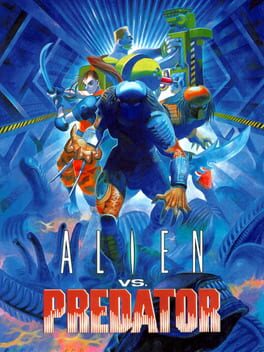
Alien vs. Predator
1994 · Shooter, Hack and slash/Beat 'em up, Arcade
Alien vs. Predator is a 1994 beat 'em up video game developed and released by Capcom for the CPS-2 arcade game system. It is based on the science fiction franchise of the same name. Introducing an original fighter to the game: Lt. Kurosawa, the players take control of up to three from the selection of four cyborgs and Predator characters in a battle against the Xenomorph hordes and rogue human soldiers.
8.4 - 47
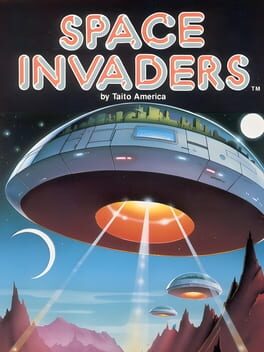
Space Invaders
1978 · Shooter, Arcade
Space Invaders is an arcade video game developed by Tomohiro Nishikado and released in 1978. It is one of the earliest shooting games and the aim is to defeat waves of aliens with a laser cannon to earn as many points as possible.
7.7 - 48
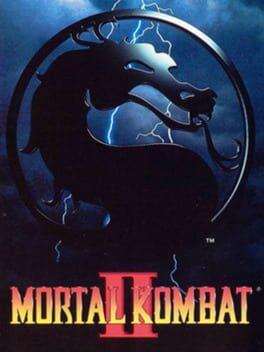
Mortal Kombat II
1994 · Fighting, Arcade
Mortal Kombat II is a fighting game originally developed by Midway for arcades in 1993. It serves as the second main installment in the Mortal Kombat franchise and follows the success of its predecessor by enhancing the gameplay and further developing the original game's mythos. Mortal Kombat II introduces more varied finishing moves and several iconic characters, such as Kitana, Mileena, Kung Lao, the hidden character Noob Saibot, and the series' recurring villain, Shao Kahn.
7.6 - 49
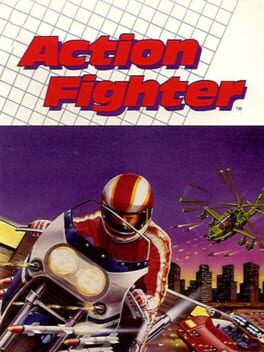
Action Fighter
1986 · Shooter, Racing, Arcade
Take to the streets or take to the skies. Because Action Fighter is the incredible, transformable combat vehicle. You start out on a customized cycle. Built with enough speed and power to jump over water and overtake enemies. Then, by finding the right parts along the way, you'll change your cycle into a supercharged, state-of-the-art sports car. Next, add two turbojets to make your car airborne. And take to the skies. Down hyped-up helicopters and jet spaceships from above. And no matter which vehicle you're manning- or who you're after- get ready to stand by for action!
9.6 - 50
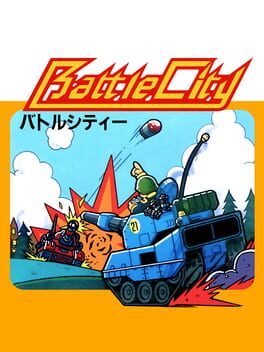
Battle City
1985 · Fighting, Shooter, Puzzle
Battle City, also known as Tank 1990 or Tank in some pirate multicart releases, is a multi-directional shooter video game for the Family Computer produced and published in 1985 by Namco. The game was later released for the Game Boy and was included in the Japanese version of Star Fox: Assault. It is a port of the arcade game Tank Battalion with additional features (including two player simultaneous play and a level edit feature). There was also a rendition for Nintendo's Vs. System arcade cabinets. The player, controlling a tank, must destroy enemy tanks in each level, which enter the playfield from the top of the screen. The enemy tanks attempt to destroy the player's base (represented on the map as a bird, eagle or Phoenix), as well as the human tank itself. A level is completed when the player destroys all 20 enemy tanks, but the game ends if the player's base is destroyed or the player loses all available lives.
7.8