Dreamcast
Top 40 Dreamcast (DC) Games of All Time
Ahead of its time and gone too soon, the Dreamcast remains one of the most beloved consoles ever made. These are the best Dreamcast games of all time, ranked by a blend of GamingList community and critic scores.
This is an Dreamcast exclusives list — it features games that debuted on Dreamcast, so cross-platform titles and later ports to other systems aren't included. That's why some multiplatform favourites you played here won't appear.
- 1
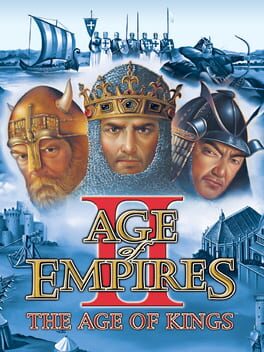
Age of Empires II: The Age of Kings
1999 · Real Time Strategy (RTS), Strategy
Take control of a powerful civilization. Lead them through 1000 years of the Middle Ages to riches and greatness. Will you Intimidate the world into following you by using military force? Rule the world with honor and nobility by using commerce and diplomacy? Or Underhandedly seize power through conspiracy, deception and regicide? There are many paths to power, there can only be one ruler!
8.6 - 2
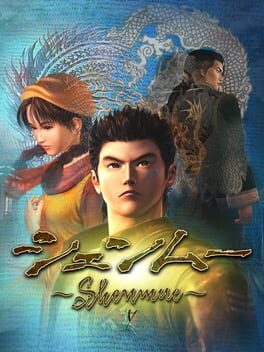
Shenmue
1999 · Role-playing (RPG), Simulator, Hack and slash/Beat 'em up, Adventure
"He shall appear from a far Eastern land across the sea. A young man who has yet to know his potential. This potential is a power that can either destroy him, or realize his will. His courage shall determine his fate. The path he must traverse, fraught with adversity, I await whilst praying. For this destiny predetermined since ancient times... A pitch, black night unfolds with the morning star as its only light. And thus the saga, begins..." This first chapter of Shenmue kicks off Yu Suzuki's cinematic Dreamcast tour-de-force, an exploration-heavy adventure that has players immerse themselves in Yokosuka, Japan. Players slip into the role of a young martial artist named Ryo Hazuki, who is on the trail of his father's killer. On the way, players must talk with hundreds of characters, engage in martial arts battles, and marvel at the realistic depiction of the Japanese coastal town.
8.6 - 3
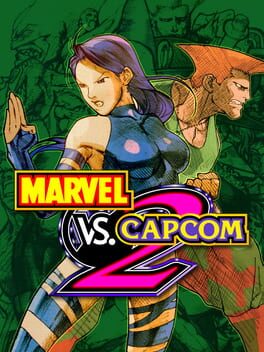
Marvel vs. Capcom 2: New Age of Heroes
2000 · Fighting, Arcade
Marvel vs. Capcom 2: New Age of Heroes is the fourth game in the Marvel vs. Capcom series of fighting games. The player's controls were simplified to make the gameplay more accessible to the wider audience of casual players and the button configuration was trimmed down to 4 main buttons and 2 assist buttons. The game also features a different air-combo system and 3 on 3 tag, compared to the 2 on 2 tag from previous games in the series.
8.5 - 4
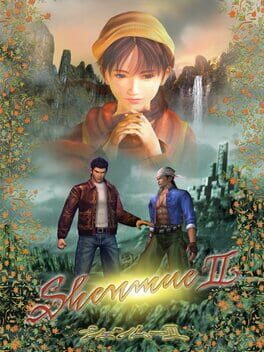
Shenmue II
2001 · Role-playing (RPG), Adventure
Yu Suzuki's cinematic masterpiece returns with more spellbinding adventure and an even more immersive world. The epic continues as Ryo Hazuki arrives in Hong Kong on his quest to avenge his father's murder by the warlord Lan Di and unravel the mystery of the Phoenix mirror. Set in Hong Kong, Kowloon, and Guilin, you'll travel through breathtaking scenery, rich with mountainous wilderness, traditional Taoist temples, and stunning tropical landscapes. As you move through massive, highly-detailed 3D worlds, you'll interact with almost every facet of your environment as well as a whole new cast of characters. Originally released on Dreamcast in Europe and Japan, this Xbox edition marks the sequel's debut in the US and includes the Shenmue Movie chronicling the first episode in the series.
8.2 - 5
Skies of Arcadia
2000 · Role-playing (RPG), Adventure
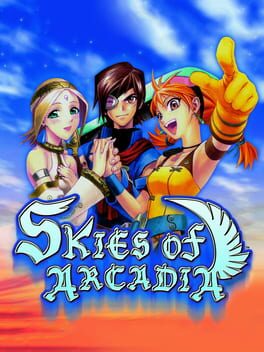
Arcadia is a world where continents float high above, and people travel by airships. Among the countries of this world, the most powerful one is the Empire of Valua. Guided by its greedy admirals, Valua strives to possess all the power in Arcadia. The boy Vyse and the girl Aika are members of the Blue Rogues - noble pirates who attack only Valuan war ships. During one of their confrontations with a battle ship, they encounter a girl named Fina, who is on an important mission whose secret she cannot tell yet. Involved in the conflict with the Empire of Valua, the trio of the heroes must explore the whole world of Arcadia in order to defeat the admirals.
8.7 - 6
Grandia II
2000 · Role-playing (RPG)
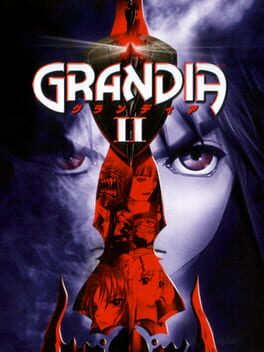
Grandia 2 is a 3D RPG, viewed from a top-down perspective for most of the game and a 3rd person view during battle. Controlling Ryudo, the player will explore various locations, locating townspeople and objects within an area to interact with. Towns and dungeons are displayed in the same manner, though dungeons tend to be mazes filled with monsters and towns tend to be friendly areas filled instead with conversation and shops. Any monsters present in these areas will be shown walking around. Walking over to and touching the monster in any way will activate a battle. If the monster notices the player approaching it is considered a normal battle, if Ryudo is able to approach undetected the player's party will gain the initiative in battle, if any party member besides Ryudo is approached by the enemy then the party loses initiative.
8.0 - 7
Railroad Tycoon II
1998 · Simulator, Strategy
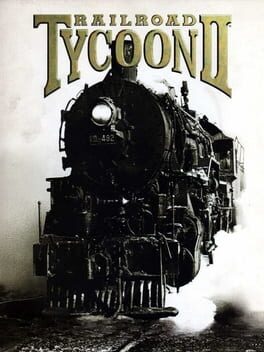
Sid Meier's Railroad Tycoon is a business simulation game. Railroad Tycoon was written by game designer Sid Meier and published by MicroProse Railroad Tycoon 2 is the only game of the series that was released fr the PSX console. You try to make it to the top of the transportation industry in Railroad Tycoon II, a simulation that takes you from a wannabe to a tycoon (if your lucky!).
8.5 - 8
Dragon's Crown
2013 · Role-playing (RPG), Hack and slash/Beat 'em up
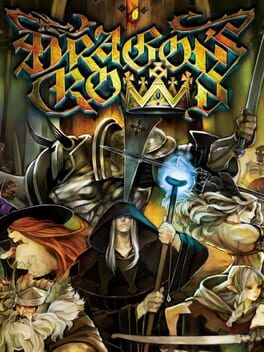
Dragon's Crown is a multiplayer hack-and-slash beat'em up game with breathtaking visual style, a design built around cooperative play, epic boss fights, and the ability to discover a new adventure in every play session. Developer Vanillaware deftly marries stunning hand-drawn and animated art work with deep, action-packed hardcore gameplay. Dragon's Crown allows up to four players to team up locally or online to clear out monster-ridden dungeons, discover precious treasure, and destroy awe-inspiring bosses. Its unique, highly replayable design means that every time players can boot up and log on, they can expect a different experience. Unparalleled in their unique style, Vanillaware painstakingly hand-paints every detail, be it a blade of grass or the scales on the game's impressive dragons. The game becomes a lush, vibrant storybook come to life when everything starts to animate in gorgeous full HD.
7.9 - 9
Jet Grind Radio
2000 · Platform, Sport, Adventure
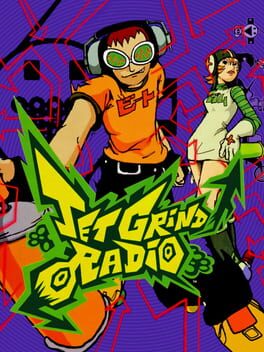
The government is attempting to silence the kids of Tokyo, but with their Overdrive Magnetic-Motor Skating Shoes, the cops will have to catch 'em first. The Jet Grind Radio program keeps the kids unified and inspired to fight for their rights of expression, which includes graffiti art. Grab your spray cans and design your own piece on one of the immense walls in the 3D, interactive city. The Western release of Jet Set Radio, titled Jet Grind Radio in North America due to a trademark dispute, expands the game from its original Japanese release, featuring two new characters and a whole new story chapter set in Grind City. The game would also add new music tracks to the North American and European versions of the game that were thought to appeal to each regions taste, including songs by Jurassic 5, Mix Master Mike, Rob Zombie (North America only) and O.B. One (Europe only), among others. This version would later get its own release in Japan featuring all the new content and bug fixes along with the new licensed music from the European release, as De La Jet Set Radio.
7.7 - 10
Metropolis Street Racer
2000 · Racing, Simulator
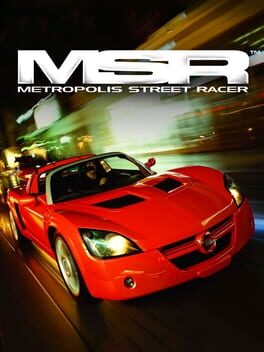
Gameplay in MSR is centred around the single-player mode, with tracks and cars in the multiplayer mode being unlocked at the same time as in the single-player game. The premise is that, as a street racer, the player must impress other drivers with quick but stylish driving in a series of challenges. These challenges are in sets of ten (called Chapters - there are 25 in total), with completion of all challenges opening the next chapter (assuming the player has enough Kudos, see below) and unlocking a new car. Each challenge is on a different track, and unlocking a challenge unlocks that track in the time-attack and multiplayer modes.
9.0 - 11
StarLancer
2000 · Simulator
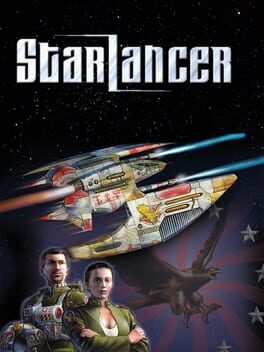
Starlancer is a space-based science fiction flight simulator computer game, created by Erin Roberts, Chris Roberts, and Warthog PLC under the auspices of Digital Anvil. It is the year 2160. Mankind has colonized the solar system and two political entities have emerged: the Alliance consisting of American, Australian, French, Spanish, Italian, Japanese, British and German forces, and The Coalition of Russian, Chinese and Middle-Eastern interests. The game begins with a surprise attack on Fort Kennedy, where a peace treaty turns into a bloodbath: all of the inner four planets are overrun, including Terra herself, and the Italian and French fleets are utterly lost. The Alliance fleet regroups at Triton, Neptune's moon, and attempts to regain lost territory. The player takes the role of a rookie pilot in the international 45th Volunteers squadron, under the command of Captain Robert Foster and Wing Commander Maria Enriquez, aboard the re-commissioned British carrier ANS Reliant. As with Wing Commander: Prophecy, the pilot's flying ability is the only meter by which success and failure is measured, though Starlancer does not feature as many branching mission paths. As in Wing Commander I the pilot may be promoted throughout the course of the campaign; unlike WCI, their rank determines which fighters and missiles they may choose to employ during each mission. The game provides a "virtual carrier" through which to navigate, including nearby crewmembers whose reaction to you depends on your current rank and standing. However, the true gem of the game lies in its textual and video news broadcasts, which keep the player informed as to the status of the rest of the war, which seems to be progressing just over the horizon. Players frequently find themselves flying alongside squadrons and pilots they have heard about on the news just recently, providing a dose of 'celebrity exposure' and also increasing the sensation that they are just one part of a much larger war effort. Starlancer's story is continued in Chris Roberts' Freelancer project, though the two belong to different subgenres (the first is purely focused on action, the latter also features trading and the player can freely move through the game's universe when they are not on a mission.)
8.6 - 12
Project Justice
2000 · Fighting
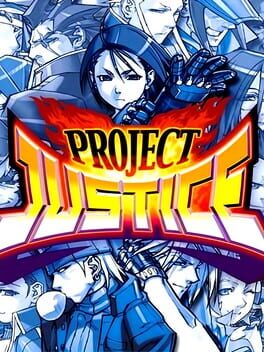
Project Justice is the sequel to Rival Schools: United By Fate. Project Justice's fighting system is lifted from the original Rival Schools, with some notable changes. The game continues to be a team fighter, but has teams of three characters instead of two. This allows another Team-Up attack to be used in a fight, but also adds a new type of attack, the Party-Up, initiated by pressing any three attack buttons. The Party-Up is a three-person attack that varies based on what school the character initiating the attack is from. The additional partner also allows players to cancel an opponent's Team-Up Special by inputting a Team-Up command of their own. This initiates a short fighting sequence between one character from each team. If the person initiating the sequence gets the first successful hit in during the sequence before time runs out, the Team-Up they are caught in will be canceled, and the game switches back to the main fight; if the opposing player gets the first hit or time runs out, the Team-Up continues as usual. Additionally, the 'vigor' meter in Project Justice is limited to 5 levels (down from 9 in Rival Schools), with Party-Ups requiring all 5 levels, Team-Ups continuing to cost two levels, and any attempts (successful or not) to cancel a Team-Up costing one level. Also carrying over from the first game, the Dreamcast port of Project Justice in Japan includes a character creation mode that allows a player to create their own fighters who can be used in all modes except for single-player. However, the character creation in Project Justice is packaged as a board game, taking place during an inter-school festival, rather than a date sim game like in Rival Schools. As with School Life Mode in the original Rival Schools, though, this boardgame is not included in non-Japanese ports of Project Justice due to the amount of time it would take to translate the mode. Instead, several unlockable sub-characters were included in these ports, built from the character creation parts in the Japanese version.
8.1 - 13
Power Stone 2
2000 · Fighting, Platform
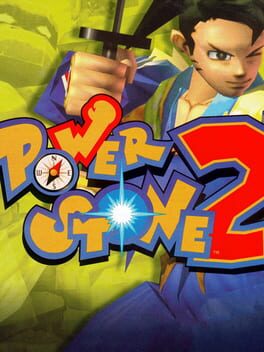
is a multiplayer fighting game that built on the innovative gameplay introduced by its predecessor, Power Stone. Power Stone 2 allows up to four players to choose from multiple characters and utilize items such as tables, chairs, and rocks in battle. There are four different modes available for the game 1-on-1: Much like the original Power Stone, a two-character storyline game. Arcade: A four-character storyline game, with two characters advancing each round. Original: Multiplayer mode, with free choice of characters and stages. Adventure: An unpredictable storyline game, where players can collect items, cards and money. Power Stone 2 offers five interactive 3-D stages to begin with, plus the two boss stages which players can also access in Original mode. All but the Original mode is played out like a storyline, where two battles are fought on the regular stages, followed by the Pharaoh Walker boss, then another battle, and ending with the Dr. Erode boss stage. Three extra stages may be unlocked for Original mode by meeting certain requirements in Arcade mode, as well as a desert area stage, which is essentially the Pharaoh Walker boss stage, but without the boss. Though each player has their own set of default ground and air attacks, the character can execute more powerful fusion attacks after collecting three Power Stones and transforming. Power Stone 2 does not offer an opportunity to block, although tapping on the control pad just before an enemy attacks will cause you to dodge. Most of the stages are dynamic and will change as the battle progresses. For example, the airplane stage starts out on a warplane. After a set amount of time, the plane will fall apart, forcing all the players to battle while skydiving toward the ground. Shortly after, the players will fall onto a floating platform, where the remainder of the battle will be held. This, in essence, creates three sub-stages within a single one. Each stage is also littered with item boxes, which hold a random item that a player has acquired and unlocked in Adventure mode or created in the Item Shop. They may also contain Power Stones. Items are extremely diverse. Damaging items range from guns, flamethrowers, gigantic hammers, a wide assortment of swords, to bear traps, roller blades, and even a magazine that can be thrown. Non-damaging items include food that will replenish health, shields for defense, elixirs for invisibility, adhesive sprays to slow your opponents, and wings for extra jumps. Cards that can be used to mix items can also be found in Adventure mode. Furthermore, most stages also have their own collection of unique items and fixtures that the player can use. For example, the submarine level comes with turrets, small planes to drop bombs, and icebergs to throw at opponents. Each level is also highly interactive, as players can use many of the stage elements themselves. All players can also gain extra height by jumping off a wall.
8.0 - 14
Phantasy Star Online
2000 · Role-playing (RPG), Hack and slash/Beat 'em up, Adventure
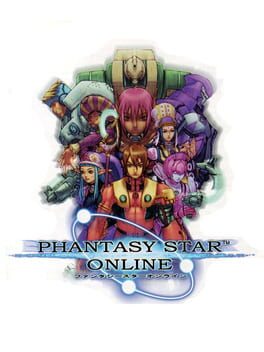
Pioneer 2 finally completed it's long voyage to the new home world. But as the ship entered orbit, an enormous explosion shook the entire planet, and all contact with the thousands of people already there was lost. Now, in the first worldwide online console RPG, players from around the globe must unite to discover what has happened. Phantasy Star Online continues in the tradition of one of the most popular series of all time, and becomes a revolutionary and truly global gaming experience in an online, persistent world.
7.8 - 15
Worms Pinball
2000 · Simulator, Pinball, Arcade
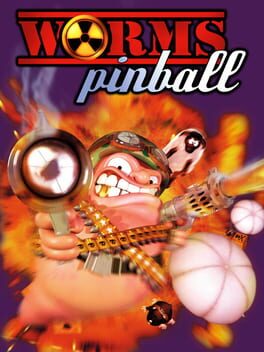
Worms Pinball is a pinball simulation game set within the Worms franchise. The game features a single pinball table themed around two main modes, one inspired by martial arts and the other by a Western setting. Players control a pinball table that incorporates multiple objectives, rule sets, and sub-games presented through a three-dimensional LED display. The table includes transparent ramps, moving mechanical components, user-controlled elements, and magnetic fields. Gameplay mechanics replicate standard pinball techniques such as tilt functions, hit combinations, ball control maneuvers, and recovery actions. The table contains a large number of animated elements and extensive rendered animation sequences used for the LED display. Sound effects and music are integrated to accompany gameplay events. The design emphasizes depth through layered objectives and complex table rules, supporting extended play for both casual and experienced pinball players.
8.1 - 16
Aliens versus Predator
1999 · Shooter
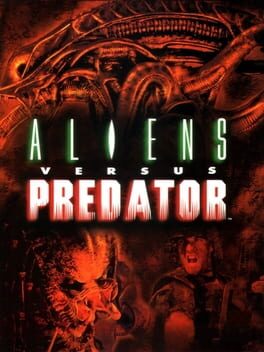
Aliens versus Predator offers three separate campaigns, each playable as a separate species: Alien, Predator, or human Colonial Marine. Each player character has different objectives, abilities, and weapons. The single-player campaign presents the player with a conventional series of levels to progress through that are designed around the abilities of each character. As the Colonial Marine the player uses a number of weapons to combat Aliens and Predators. The marine wears armor for protection and uses an image intensifier and flares to improve visibility in dark areas. When playing as the Predator the player uses a variety of weapons from the Predator films such as wrist blades, a throwing disc, and shoulder-mounted energy weapons. The Predator is the most durable of the three player characters and can survive falls from greater heights than the human. The player can use a cloaking device to become invisible and several different modes of vision to detect enemies, including an infrared vision mode and a mode sensitive to electrical systems. As an Alien the player can explore most of the game's environments freely, even climbing across walls and ceilings. The Alien has no weapons, however, using its claws, tail, and jaws to attack enemies. The screen is distorted into a fish eye lens effect to reflect the Alien's field of view. The player can also use a form of echolocation in dark areas and can detect pheromones to discern human or Predator enemies. The Alien can drop from any height without injury and is the fastest of the three player characters. Several bonus levels allow each player character access to portions of the missions of the other characters. To allow the marine and Predator characters to traverse through the areas of the Alien missions, the player is supplied with a jet pack for the marine and a grappling hook for the Predator.
7.6 - 17
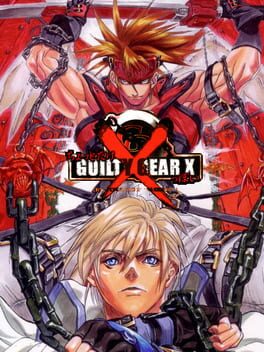
Guilty Gear X
2000 · Fighting, Arcade
Guilty Gear X is the sequel to 1998's Guilty Gear, a 2D fighting game for the Sony PlayStation that became extremely popular in Japan. Featuring beautiful hand-drawn artwork and animation, as well as balanced, fun, high-energy gameplay, Guilty Gear X aspires to be the king of 2D fighters. The goal in Guilty Gear X is simple: get your opponent's Life Bar down to zero within the allotted time to win. Winning a round nets you a point; getting two points will win you the match. There are 14 different characters to choose from, each with their own personal style and moves. There might even be some hidden ones, too...
7.7 - 18
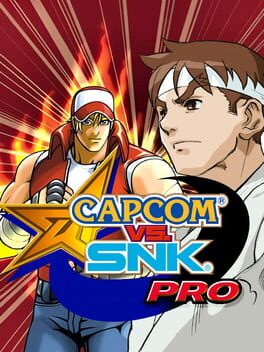
Capcom vs. SNK: Millennium Fight 2000 Pro
2001 · Fighting
An updated version of the original Capcom vs. SNK titled Capcom vs. SNK Pro was released on the Arcade Sega NAOMI GD-ROM hardware (2000), Dreamcast (2001) and PlayStation (2002), the latter suffering from slight load times between rounds and downgraded graphics and sound due to hardware limitations. New additions included Joe Higashi (from Fatal Fury) and Dan Hibiki (from Street Fighter Alpha), new moves for existing characters, and new modes of play.
7.8 - 19
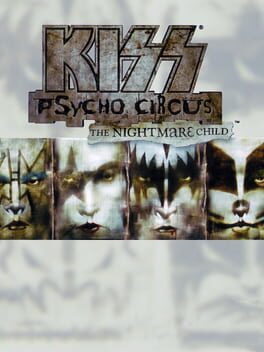
Kiss: Psycho Circus - The Nightmare Child
2000 · Shooter
Wicked Jester, a band of four, are headed for a Friday night gig at The Coventry, a rundown dive outside of town. They arrive only to find the parking lot deserted, the club seemingly dead. The band's members: Pablo Ramirez, Andy Chang, Gabriel Gordo and Patrick Scott, stepping from their van, are startled by a voice from the shadows. She offers them four tickets to a circus -- tonight's the grand finale! Having nothing better to do, the four accept and the nightmare begins. Based on characters from comic book author Todd McFarlane, KISS Psycho Circus: The Nightmare Child brings the horror and carnage of the Psycho Circus to the PC in a shooter format. There are two-dozen creatures to battle with and three classes of weapons to use, each with four specific types: melee (beast claws, thornblade, twister and punisher), common (zero cannon, magma cannon, windblade and scourge) and ultimate (stargaze, galaxion, spirit lance and draco). In addition to the weaponry, temporary power-ups and instant items such as health, attack and defense powers are available.
7.9 - 20
Seaman
1999 · Puzzle, Simulator, Adventure
Seaman is a virtual pet video game for the Sega Dreamcast. It is one of the few Dreamcast games to take advantage of the microphone attachment. The narration is voiced by Toshiyuki Hosokawa in the original Japanese-language version and by Leonard Nimoy in the English-language version and the face of Seaman is actually that of the game's producer, Yoot Saito.
8.0 - 21
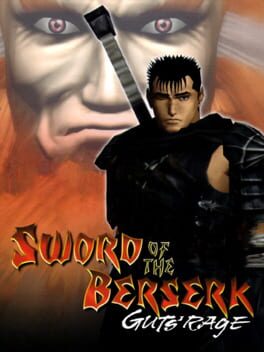
Sword of the Berserk: Guts' Rage
1999 · Hack and slash/Beat 'em up
An outcast warrior enters a land plagued by an evil curse. Guts is unlike ordinary men for he carries the Dragon Slayer, a mighty blade of retribution whose fury knows no equal. His enemies will know true fear once they encounter his Berserk rage!
7.6 - 22
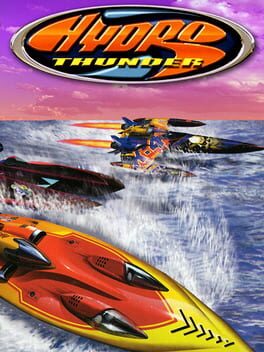
Hydro Thunder
1999 · Racing, Sport
The gameplay of Hydro Thunder consists of racing high-tech speedboats through treacherous environments, from the cold seas of the Arctic Circle, to a post-apocalyptic, flooded version of New York City.
7.5 - 23

Rayman 2: The Great Escape
2000 · Platform, Adventure
The Sega Dreamcast version of Rayman 2 retains the high quality textures from the PC version, while slightly improving some. A new area has been added in the Woods of Light called Globox Village, where the player can access new minigames by collecting Globox Crystals. This is the first version of Rayman 2 to allow for widescreen and the only version where the aspect ratio can manually be changed. The Hall of Doors has been replaced by the Isle of Doors. Several more Robo-Pirates have been added as well as a new type which shoots bombs. This is also the first version to have the cutscene in the Prison Ship where Rayman frees the prisoners, which was cut from the original versions due to time constraints.
7.6 - 24
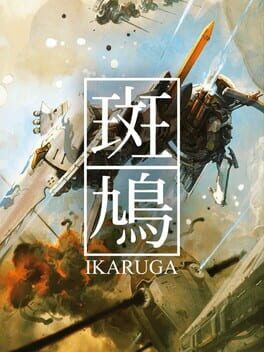
Ikaruga
2002 · Shooter, Arcade
In this vertical scrolling spaceship shooter, you control a ship that can change its polarity at will. As blue/white, the ship can easily destroy red/black enemies, and visa versa. Bullets of your polarity can be collected to fuel your missile gauge, but those opposite will kill you. Destroying an enemy ship will make them drop points for you to pick up, but they are polarized, too. Different difficulties exist to change exactly how you interact with polarized points, or how they appear. Ikaruga is a balls-hard shmup with lots of difficulty even at the easiest level, and lots of replay value for those willing to face the challenge.
7.6 - 25
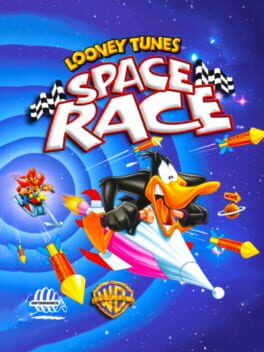
Looney Tunes: Space Race
2000 · Racing
Looney Tunes: Space Race features eight all-time favorite characters, including Bugs Bunny, Daffy Duck, Taz, Sylvester, Yosemite Sam, and Wile E. Coyote. The 12 tracks include shortcuts, jumps, and traps, and there are over 40 competitive events. Players can pummel opponents with gags like the portable hole, falling elephants, retractable boxing glove, and instant storm. Up to four players can race at a time.
7.5 - 26
Space Invaders
1999 · Shooter
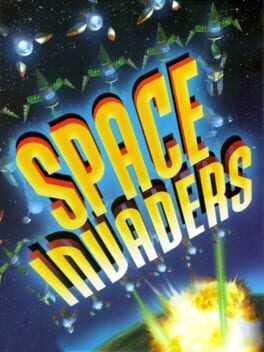
Space Invaders is a game in which the player controls a laser cannon by moving it horizontally across the bottom of the screen and firing at descending aliens. The aim is to defeat five rows of eleven aliens—some versions feature different numbers—that move horizontally back and forth across the screen as they advance towards the bottom of the screen. The player defeats an alien, and earns points, by shooting it with the laser cannon. As more aliens are defeated, the aliens' movement and the game's music both speed up.
7.4 - 27
ChuChu Rocket!
1999 · Puzzle, Strategy
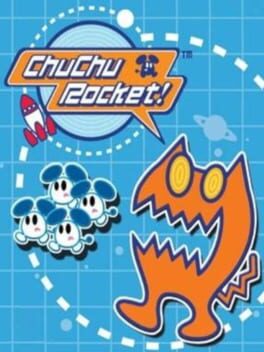
The object of the game is to guide one or more mice ("ChuChus") around a board into one or more goals while avoiding cats ("KapuKapus") roaming the board. The mice and cats all move in predictable paths by always turning right when hitting a wall head on, by following corners or by turning around when in a dead end. ChuChu Rocket!'s multiplayer mode revolves around up to four players placing arrows on the level at once, trying to direct mice into their own rockets and cats into other players' rockets (any cat that reaches a rocket removes a percentage of the mice within). Each player can only have three arrows on-screen at a time and cannot place them on other players' arrows or their own arrows. Arrows would disappear over time, or could be removed by a player placing his fourth arrow (which would eliminate the first arrow placed, thus leaving three). Although a simple concept, this quickly becomes frenetic with the relentless speed of the mice and four players fighting over them.
7.4 - 28
Sonic Adventure 2
2001 · Platform, Adventure
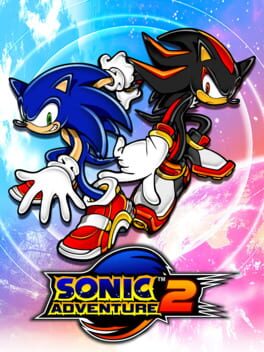
Sonic Adventure 2 is the sequel to Sonic Adventure. It was the final Sonic game for the Dreamcast after Sega discontinued the console. Two new playable characters were introduced, Shadow and Rouge, who would go on to become two of the most recurring characters in the Sonic series. The story features good vs evil: Sonic, Tails and Knuckles attempt to save the world, while Shadow, Doctor Eggman and Rouge attempt to conquer it. The levels are divided into three gameplay styles: fast-paced platforming for Sonic and Shadow, multi-directional shooting for Tails and Eggman, and action-exploration for Knuckles and Rouge.
7.4 - 29
Street Fighter III: New Generation
1997 · Fighting, Arcade
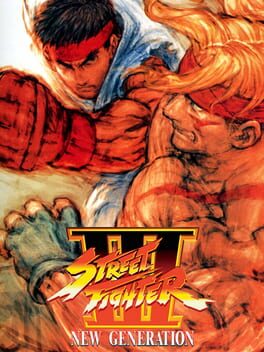
Street Fighter III: New Generation is a fighting game in Capcom's Street Fighter series, originally released as coin-operated arcade game in 1997. Street Fighter III was produced for the CD-ROM-based CP System III hardware, which allowed for more elaborate 2D graphics than the CPS II-based Street Fighter Alpha games (the previous incarnation of the Street Fighter series), while revamping many of the play mechanics. The game, which was designed as a direct sequel to Street Fighter II, initially discarded every previous character except for Ryu and Ken (hence the "New Generation" subtitle), introducing an all-new roster led by Alex.
7.3 - 30
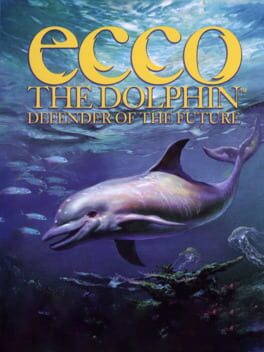
Ecco the Dolphin: Defender of the Future
2000 · Puzzle, Role-playing (RPG), Adventure
At the dawn of the 30th Century, dolphins and humans had been together in a cross-species society for 500 years. Together, they had set out to explore space, offering peace and friendship to all who would welcome it. But space had its dangers; a violent species known as the Foe decided to conquer Earth. However, the dolphins and humans drove them to the brink of defeat, and so the Foe sought vengeance on Earth. The few caretaker dolphins who had been left behind on Earth were not entirely defenseless; they were protected by their creation called the Guardian—a gigantic, sentient being made of a crystalline substance which projected a forcefield over the entire planet. Undeterred, the Foe made suicide attacks on the field, searching for a weak point.
7.0 - 31
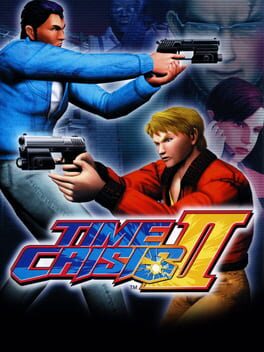
Time Crisis II
1997 · Shooter, Arcade
Time Crisis II is a light gun arcade game and the second installment in the Time Crisis series. It introduces co-operative multiplayer to the franchise. The game was first released in arcades in April 1998, with an enhanced port released on the PlayStation 2 in October 2001, bundled with the GunCon 2 controller.
7.2 - 32
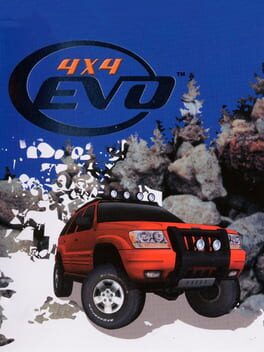
4x4 EVO
2000 · Racing
4x4 EVO is a racing game featuring real-life pickup trucks and SUV's. Actual trucks from manufacturers such as Chevrolet, Ford, Dodge, Nissan, Toyota and more are included. The actual racing game is based very heavily on Terminal Reality's Monster Truck Madness series of games, except with SUV's instead of monster trucks. One significant feature of 4x4 Evo is the online multi-player option. The Dreamcast, PC, and Macintosh versions can compete against each other in 4 player online races.
6.8 - 33
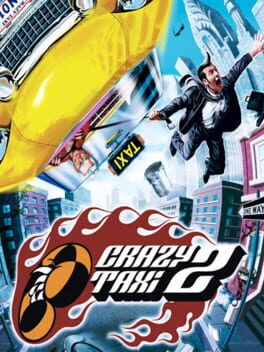
Crazy Taxi 2
2001 · Racing
Much like the original, the core gameplay in Crazy Taxi 2 centers around picking people up at destinations which are highlighted with colored rings, and dropping them off at stated destinations. Crazy Taxi 2 added multiple pickups, which enabled the player to carry multiple passengers, (previously it was restricted to one passenger per journey). The game also saw the introduction of the "Crazy Hop" feature, which allows the player to jump over certain surfaces to save time, as they taxi passengers around the locations. By performing moves such as the "Crazy Hop" and the "Crazy Dash", the driver accumulates tips from their passengers, which increases the total score. This sequel includes a modified soundtrack with rock bands The Offspring and Methods of Mayhem. The game also has some online modes in the form of a scoreboard, and replay-sharing.
7.2 - 34
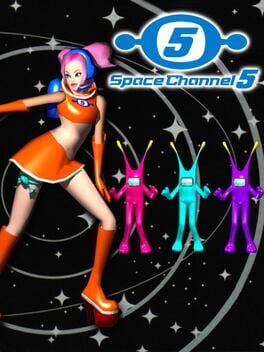
Space Channel 5
1999 · Music, Adventure
It's the 25th century and our intergalactic space reporter dives into an adventure where she must battle with a series of dastardly villains! Are you ready to save the universe through the medium of dance? You must first battle wicked space nasties, the Morolians, who have attacked and subdued innocent Earthlings with their dance-inflicting ray guns. In order to break the Morolian's hypnotic grasp, Ulala must mimic the aliens' exact dance moves by keeping the beat with pauses timed to perfection. But the adventure isn't over just yet; Ulala must also face another group of intergalactic terrorists who have designs on world domination.
7.1 - 35
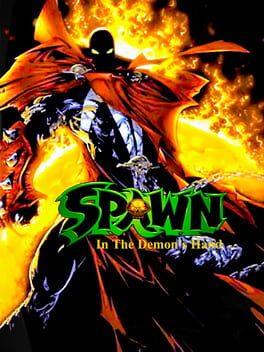
Spawn: In the Demon's Hand
2000 · Unknown genre
The legendary hellbound comic anti-hero comes to life. Straight from the blockbuster arcade game, this home version kicks it up a notch with ever more features and modes of play. Up to 4 players can battle in the "death match-style" Battle Royal Mode or choose a computer controlled teammate to take on Team Battle Mode. All your favorite characters from the Spawn series are faithfully recreated in the ultimate death match challenge.
6.6 - 36
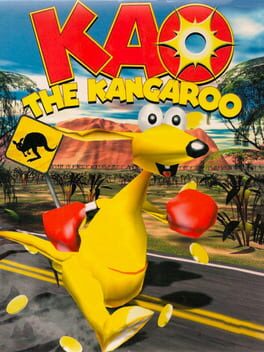
Kao the Kangaroo
2000 · Platform, Adventure, Arcade
Action-adventure game released in 2000 by Tate Interactive. During development it was known as Denis the Kangaroo.
6.9 - 37
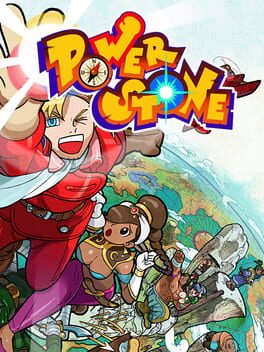
Power Stone
1999 · Fighting, Platform
Power Stone is a fully 3D arena fighting game series made by Capcom. Power Stone was initially released on the Sega NAOMI hardware and later ported to the Dreamcast. In Japan Power Stone was adapted also into a manga, as well as a 26 episodes anime series.
7.0 - 38
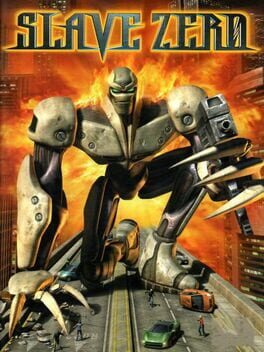
Slave Zero
1999 · Shooter
It's 500 years in the future. Man and machine are virtually on and the greatest megacity in the world is locked in a brutal war. You are the ultimate saboteur and part of an elite fighting force. Your mission: steal the largest, most sophisticated bio-mechanical attack weapon ever designed ...and kick some serious ass!
5.9 - 39
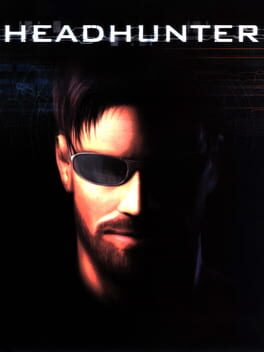
Headhunter
2001 · Shooter, Racing, Adventure
Welcome to the future. In the early 21st century, gang warfare and crime have lead to the creation of privatised law enforcement. The Anti-Crime Network (ACN) employs bounty hunters known as ‘Headhunters’ to track down the most wanted criminals, using combat skills and high-tech weaponry. You are Jack Wade, an ex-cop turned Headhunter. At the beginning of the game you find yourself strapped to an operating table and manage to escape. After passing out in an alley, you awake in hospital from a coma. With your license revoked and few memories, you are hired by Angela Stern, to find her fathers murderer. Maybe you’ll even find out what happened to yourself if you can stay alive long enough… Headhunter is an action adventure viewed from over the shoulder. In the top right of the screen you have a radar which will track your movements and those of the enemy. Jack has a few moves at his disposal. He can duck and roll, push, pull and climb objects as well as flatten himself up against a wall. Using this technique he can peek around corners for a better view of the action, and then attack from this position, using the wall as protection. Between levels, Jack has a motorcycle that he uses to transport himself between various locations in the city according to the clues he receives. You will need to earn skill points however before you can arrive at a destination. Certain parts of the city are unavailable until you have gained the appropriate Headhunter license. As you have no recollection of your past, you have to take a series of licenses that will grant you access to greater parts of the city, weaponry and gadgets. These are taken in a VR simulator known as the Law Enforcement Intelligence and Licence Approval (LEILA). At various times in the game you will need to go to the LEILA building and upgrade your licence by practising your combat, stealth and driving skills.
6.4 - 40
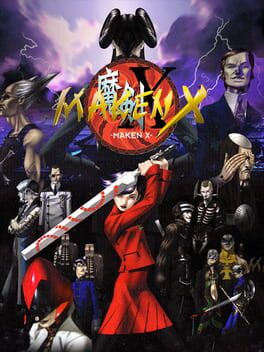
Maken X
1999 · Adventure
Maken X is a game for the Dreamcast video game console that fits into an subgenre of "first-person slashers". The game is mainly regarded as a first-person action game because of the realistic elements in gameplay. It is unique in that the main character is the weapon (Maken), rather than a person. The word "Maken" literally translates as "demonic sword". On the title screen, the "X" is shown to stand for deus ex machina (Latin for "god out of the machine"). The player can control a number of characters via "brainjacking", which leaves the person a vegetable. The woman displayed on the boxart is the first person controlled when the facility that Maken was created at comes under attack.
6.0